-

Report: Urban recycling in Scottish cities
The ‘Urban recycling in Scottish cities’ report assesses the barriers and challenges to recycling in flats with communal collections in Scotland, and the opportunities for improving them.
-

Tackling Marine Litter – Fishing and Aquaculture Gear
A three-step approach to help for governments and industry tackle marine litter from fishing and aquaculture.
-

Research: End of Life Mattress Report
The fifth UK Mattress End of Life Report – created by Resource Futures – reveals rising recycling rates as well as need for reform in design, data, and infrastructure.
-

Research: Systems mapping of Scotland’s built environment and energy Infrastructure sectors
Our interactive systems maps of the built environment and energy infrastructure sectors – created for Zero Waste Scotland – will be used to inform and support Scotland’s net zero transition efforts.
-

Podcast: Reviewing Scotland’s lower landfill tax
This episode from ClimateXChange explores whether Scotland’s lower landfill tax rate is still doing what it was designed to do.
-

Webinar: Powering ESG strategies with circularity
How can businesses avoid greenwashing and embed circularity into their ESG reporting?
-
Research: Lower rate review of the Scottish Landfill Tax
This report looks into the lower rate of the Scottish Landfill Tax and assesses whether it is still delivering the outcomes the policy is meant to achieve.
-

Webinar: Circular economy policies for a just transition
How can we bring in circular economy practices while continuing to provide a fair deal for highly rural and highly urbanised areas?
-

Guide: Developing a circular value proposition for your business
This free toolkit contains templates, advice and guidance for developing a circular economy value proposition for a business.
-

Report: Fast Phones – practical solutions for tackling mobile e-waste
A report exploring the increasing issue of mobile phone e-waste, offering practical recommendations to address the issue through reuse, repair, refurbishment, and recycling.
-

Research: EPR in the Scottish Highlands and Islands
Zero Waste Scotland commissioned research by our Policy experts to explore challenges and opportunities posed by proposed EPR schemes
-

Guidance for English councillors on waste and recycling reforms
Resource Futures has produced a set of guidance on behalf of the Local Government Association, helping councillors understand the latest waste and recycling reforms.
-

Webinar: How data can help us understand our waste
How can we better understand the data at our fingertips – and make it work for us more effectively?
-

Webinar: Boosting electrical reuse, repair and recycling
With varying levels of participation and access to electricals recycling, how can we find innovative and community-focused solutions?
-
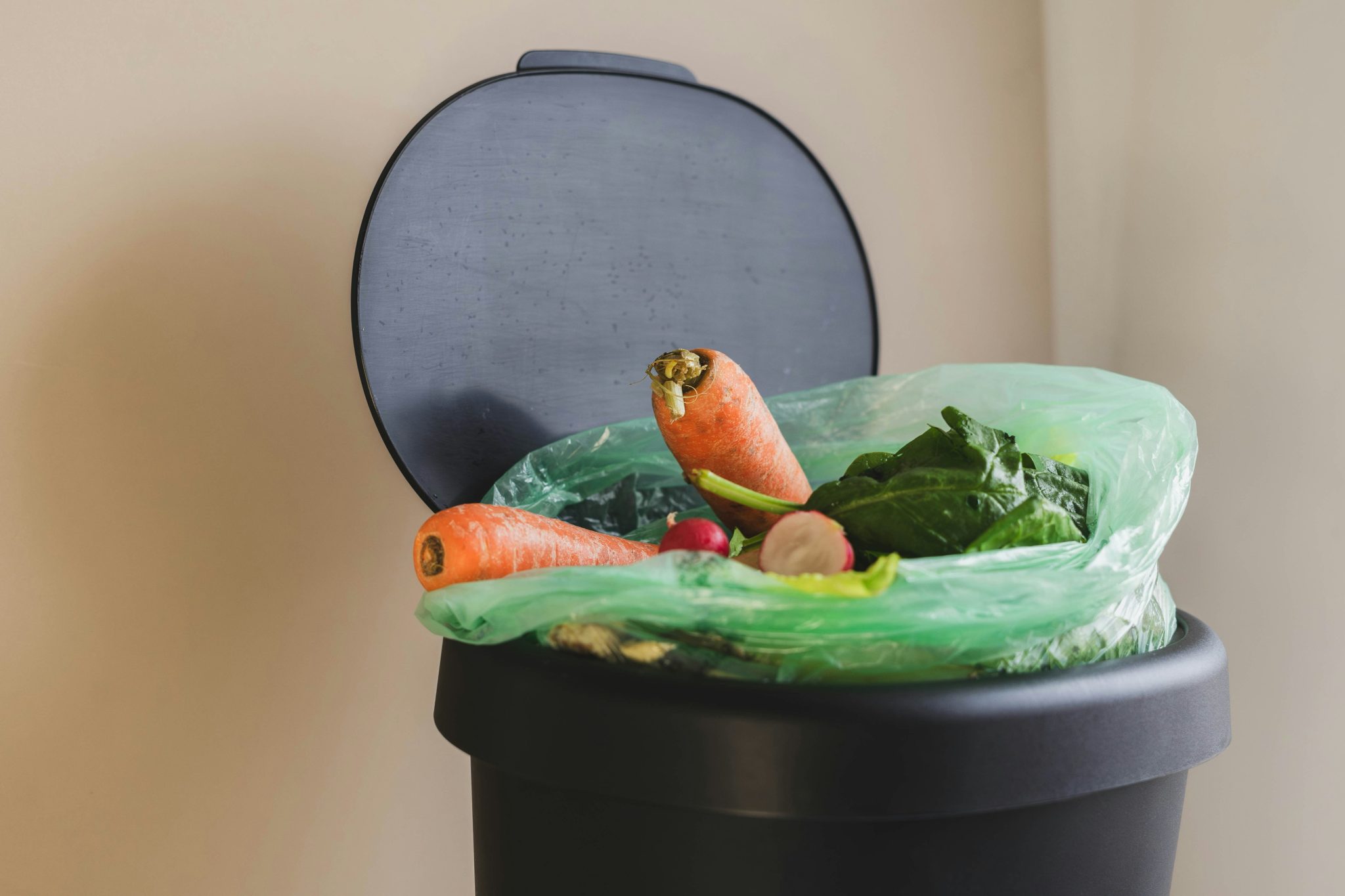
Guide: Simpler Recycling and food collections – preparing for change
From 31st March 2025, most businesses and organisations in England will be required to separate their recycling into different streams, as part of the new Simpler Recycling regulations. This free guide, created by Resource Futures’ experts in waste strategy and behaviour change, outlines the key information organisations need – and the actions they need to
-

Webinar: Tapping into the power of community-led action
How can we increase local sustainable and regenerative activity in communities in an efficient, cost-effective way?
-

Report: Shaping future financial and fiscal policies for a more circular UK economy
Our latest research, featured in CIWM’s report, ‘Shaping future financial and fiscal policies for a more circular economy in the UK’, explores the main incentives being introduced and how they could be strengthened.
-

Research: Assessment of resources and waste policy in England
On behalf of the Office for Environmental Protection (OEP), Resource Futures has carried out a high-level assessment of circular economy, resources and waste policy in England.
-

Webinar: Simpler Recycling and food collections
How can we navigate the challenges of setting up new recycling collections, and find practical ways to reduce food waste?
-

Research: Waste management and illegal disposal in Northern Ireland
To support the OEP in its work, Resource Futures supplied a comprehensive assessment of waste management and illegal disposal in Northern Ireland.
-

Fixy Impact Report 2022-23
A blueprint for anyone with an interest in developing repair and reuse initiatives, and in finding routes to engaging new audiences.
-

Enabling Circular Business Models: Free Guide
This guide will walk you through five steps to help you embrace the circular economy in your business by enabling a circular business model.
-

Waste prevention guides for construction projects
Resource Futures produced two guides for Zero Waste Scotland and their Resource Efficient Scotland Programme. They were designed to improve waste prevention on construction projects in Scotland, focusing on maximising re-use and promoting best practice.
-

Marine plastic pollution in Scotland
Research on the plastic value chain in Scotland to better understand this landscape and the potential for intervention to address marine plastic pollution.
-

Composition analysis of commercial and industrial waste in Wales
Using up to date composition data of mixed residual commercial and industrial waste in Wales to estimate the proportion of the residual waste produced in Wales which could be avoided through recycling or composting.
-

Quantifying the composition of municipal waste: WRAP report
WRAP, on behalf of DEFRA, commissioned Resource Futures to conduct research into the composition of residual waste from two waste streams: non-household waste collected by local authorities and non-household waste collected by private companies.
-

Recycling Quality Information Point (ReQIP)
The Recycling Quality Information Point (ReQIP) project brought together information from a wide range of reprocessors about their quality requirements for the recyclates they received, and highlighted what they classed as ‘prohibited materials’ which could affect the integrity of their raw material.
-

Evidence on textile-derived microfibres
A scoping report from WRAP sharing existing evidence on the extent of microfibre shedding from UK clothing over the life cycle.
-

WRAP Retail Survey 2019: helping consumers reduce food waste through better labelling and produce changes
Resource Futures led the primary data gathering fieldwork for WRAP’s 2019 Retail Survey. We surveyed a range of own-brand and branded food products to identify and record data which influence the amount of avoidable food waste in the home.
-

Economic assessment of a potential ban on expanded polystyrene
Resource Futures was commissioned by Defra to undertake a preliminary assessment of the impacts of a ban on expanded polystyrene.